Friday, January 25, 2019

ការអនុវត្ត​ភាព​និយម​កណ្តាល


ការអនុវត្ត​ភាព​និយម​កណ្តាល
(ចេញផ្សាយ​លើកាសែតភ្នំពេញប៉ុស្តិ៍ ថ្ងៃទី ២៥ ខែមករា ឆ្នាំ២០១៩)

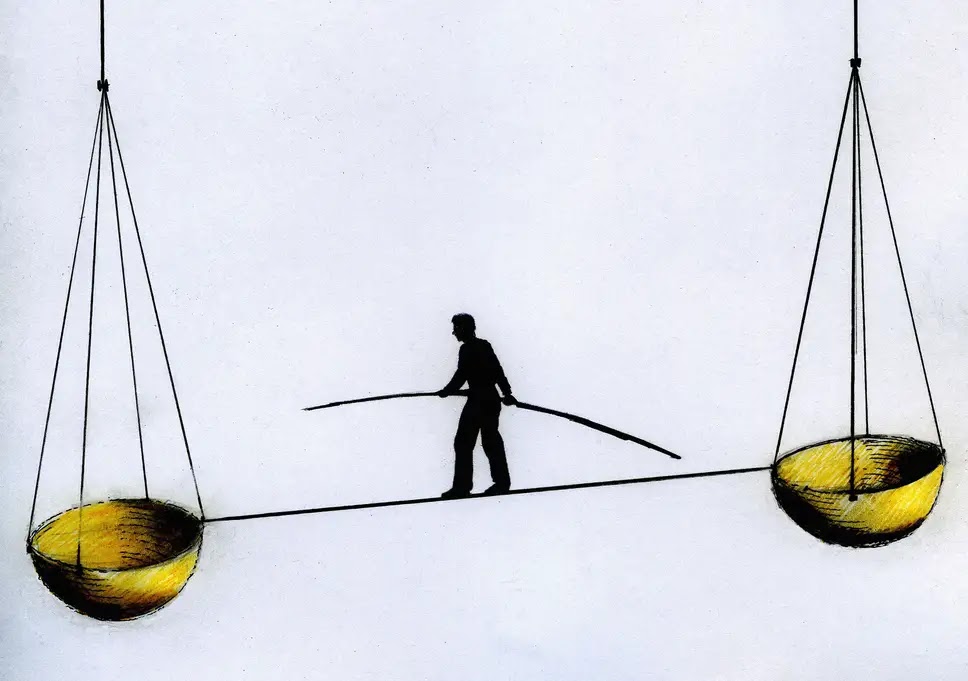
ភាពជ្រុលនិយម​គឺជា​ការគិត ឬ​សកម្មភាព ដោយយោង​ទៅលើ​គុណ​តម្លៃ​ដែល​ត្រូវ​បាន​គិត​ថា​ល្អ​ក្រៃលែង ដែល​មិន​អាច​នឹង​តតាំង​បាន។ ការ​ប្រកាន់​ភាព​ជ្រុល​និយម​នឹង​ធ្វើ​ឲ្យ​យើង​បដិសេធ​ចោល​នូវ​រាល់​គុណ​តម្លៃ​ផ្សេង​ទៀត ដោយ​ពុំមាន​ការ​វិនិច្ឆ័យ​ឬ​វិភាគ។ ភាព​ជ្រុល​និយម​គឺជា​ការ​បិទ​ផ្នត់​គំនិត។
ពេលខ្លះ​និន្នាការ​សង្គម​គឺជា​អ្នកជំរុញ​ផ្នត់គំនិត​បែបនេះ ដោយ​ម្នាក់ៗ​គិត​ថា “ឡូយ” នៅ​ពេល​ដែល​គេ​ប្រកាន់​យក​គុណ​តម្លៃ​ណាមួយ​ដល់​កម្រិត​ស៊ប់ និង​ជ្រុល​ហួស​ហេតុ ព្រោះ​វា​ងាយ​នឹង​អាច​សង្គម​មើល​ឃើញ វា​ងាយ​នឹង​លេច​ធ្លោ។
មិន​ថា ស្តាំនិយម​ឬ​ឆ្វេងនិយម ឲ្យ​តែ​ជ្រុល​គឺ​សុទ្ធ​តែមាន​គ្រោះថ្នាក់​ដល់​ភាព​សុខដុម​នៃ​សង្គម។ ការ​ឲ្យ​តម្លៃ​ខ្ពស់​ហួស​ហេតុ​លើ​ការ​ផ្លាស់ប្តូរ​និង​ភាព​ជា​សកម្មជន ដែល​គ្មាន​ការ​ពិចារណា​លើ​ភាព​ជា​ក់ស្តែង​នៃ​ការវិវត្ត​នៃ​សង្គម និង​ដំណាក់​កាល​អភិវឌ្ឍ​ទៅ​តាម​បរិបទ​ដោយ​ឡែក​នៃ​ប្រទេស​មួយៗ គឺ​ពុំមាន​ផល​វិជ្ជមាន​ចំពោះ​សង្គម​នោះ​ទេ​ហើយ​ថែម​ទាំង​មាន​គ្រោះ​ថ្នាក់​ទៀត​ផង។
ភាពជ្រុលនិយម និង​ប្រជាកល​និយម (populism) ដែល​កំពុង​កើត​មាន​នៅ​អឺរ៉ុប គឺជា​មេរៀន​ដែល​កម្ពុជា​ត្រូវ​ចៀស​វាង។ វា​រឹត​តែ​គ្រោះ​ថ្នាក់​ថែម​ទៀត​សម្រាប់​សង្គម​មួយ​ដែល​ផុយ​ស្រួយ​ងាយ​បែក​បាក់​ដូច​កម្ពុជា ហើយ​ងាយ​នឹង​ត្រូវ​បាន​គេ​បញ្ឆេះ​ហិង្សា។ សង្គម​យើង​គួរ​ជំរុញ​ការ​អនុវត្ត​ភាព​និយម​កណ្តាល​ដោយ​លើក​ទឹកចិត្ត​ឲ្យ​ពលរដ្ឋ​ប្រកាន់​យក​ភាព​កណ្តាល​រវាង​គុណ​តម្លៃ​ផ្សេងៗ ជា​ជាង​ការ​ប្រកាន់​នូវ​គុណ​តម្លៃ ឬ​ជំនឿ​អ្វីមួយ​ស៊ប់​ហួស​ហេតុ។
អ្នកដឹកនាំ​សាធារណមតិ អ្នកជំនាញ និង​អ្នកវិភាគ​គឺជា​ជន​គំរូ​ដែល​ត្រូវ​ដើរ​នាំមុខ​ក្នុង​កិច្ចការ​នេះ។ អ្នក​ជំនាញ និង​អ្នក​វិភាគ គឺ​សំដៅ​លើ​បុគ្គល​ទាំង​ឡាយ ដែល​បាន​ធ្វើការ​ស្រាវជ្រាវ​ជ្រៅ​ជ្រះ សរសេរ​អត្ថបទ​សិក្សា​ច្រើន ឬ​បាន​ធ្វើ​ការងារ និង​មាន​បទពិសោធ​ច្រើន ក្នុង​វិស័យ​ណាមួយ។
តាមរយៈ​ការសិក្សា​ស្រាវជ្រាវ​ធ្វើ​ឲ្យ​អ្នកជំនាញ និង​អ្នកវិភាគ តែងតែ​ប្រកាន់​ភាព​និយម​កណ្តាល ព្រោះ​ពួកគេ​តែង​តែ​ពិចារណា និង​វិភាគ​ពី​មុំ និង​ទស្សនៈ​ជាច្រើន​មុន​នឹង​គេ​អាច​អះអាង​លើ​សេចក្តី​សន្និដ្ឋាន​ណាមួយ ដោយ​មាន​ការ​ថ្លឹង​ថ្លែង​រវាង​ទស្សនៈ​ផ្ទុយ​ផ្សេងៗ។
ការថ្លឹងថ្លែង​រវាង​គុណ​តម្លៃ និង​ផលប្រយោជន៍​ផ្ទុយផ្សេងៗ នឹង​ធានា​ឲ្យ​មាន​ភាព​និយម​កណ្តាល​នៅ​ក្នុង​ការ​គិត និង​សកម្មភាព។ គុណ​តម្លៃ​តែង​តែ​យោង​ទៅ​លើ​ការ​វិនិច្ឆ័យ​ជា​អត្តនោ​ម័ត ដូច្នេះ​ពេល​ខ្លះ​យើ ង​ពិបាក​នឹង​កំណត់​ឲ្យ​ដាច់​ណាត់​រវាង​ត្រូវ និង​ខុស។ ឥឡូវ​ខ្ញុំ​សូម​លើក​នូវ​សំណួរ​មួយ​ចំនួន​ដើម្បី​ប្រជែង​នឹង​ផ្នត់​គំនិត​របស់​យើង។
អ្វី​ទៅ​ដែល​ហៅថា​យុត្តិធម៌? បើ​មាន​នរណាម្នាក់​សម្លាប់​ក្រុមគ្រួសារ​អ្នក​តើ​អ្នក​នឹង​សម្លាប់​គេ វិញ​ដើម្បី​យុត្តិធម៌​ឬ? តើ​យុត្តិធម៌​មាន​អត្ថន័យ​ដូចម្តេច ចំពោះ​ជន​រង​គ្រោះ ចំពោះ​ច្បាប់ ចំពោះ​សង្គម និង​ចំពោះ​សន្តិភាព?
នៅពេលដែល​សាធារណមតិ​គិតថា ស្ពាន​ឫស្សី​ដ៏​ល្បីល្បាញ គួរតែ​ត្រូវបាន​អភិរក្ស ប៉ុន្តែ​ម្ចាស់​អ្នក​សាង​ស្ពាន​ត្រូវ​ខាត​រៀង​រាល់​ឆ្នាំ អ៊ីចឹង​តើ​យើង​គួរ​ជំរុញ​ឲ្យ​រក្សា “ផល​ប្រយោជន៍​សាធា​រណៈ” ដែរ​ឬទេ?
នៅពេលដែល​យើង​គិតថា មតិ​ភាគច្រើន​គឺ​សំខាន់ អ៊ីចឹង​ចុះបើ​យើង​ទាំង​អស់​ចង់​ធ្វើការ​តិច ចង់​បាន​លុយ​ច្រើន ហើយ​មិន​ចង់​បង់ពន្ធ តើ​យើង​ត្រូវ​ធ្វើ​ដូចម្តេច? អ្វី​ទៅ​ដែល​កំណត់​ថា ជា​មតិ​ភាគ​ច្រើន​នោះ?
នៅពេលដែល​យើង​គិតថា ការរក្សា​អត្តសញ្ញាណ​វប្បធម៌​មាន​សារៈ​សំខាន់ អ៊ីចឹង​តើ​យើង​គួរ​តែ​បង្កើត “សារមន្ទីរ​តាំង​មនុស្ស” ដើម្បី​បង្ហាញ​ភ្ញៀវទេសចរ​ឬ?
នៅពេលដែល​យើង​ជំរុញ​សមភាព​យេនឌ័រ តើ​មានន័យថា យើង​ត្រូវ​បំបាត់​ចោល “ច្បាប់​ស្រី” ឬ​រំលាយ​ក្រសួង​កិច្ច​ការនារី​ឬ​ដើម្បី​បង្ហាញ​ថា​យើង​បាន​សម្រេច​សមភាព​យេនឌ័រ​ហើយ​ឬ​នៅ? ប្រសិន​បើ​ប្រព័ន្ធ​ប៉ុស្តិ៍​ប៉ូលិស “កូបាំង” របស់​ជប៉ុន​មាន​ជោគ​ជ័យ ហើយ​កីឡា​បេសបល​ពេញ​និយម អ៊ីចឹង​តើ​វា​ត្រូវ​តែ​ជោគ​ជ័យ​នៅ​កម្ពុជា​ដែរ​មែន​ទេ? ប្រសិន​បើ​បាល់​ទាត់​ពេញ​និយម​ពេញ​ពិភពលោក អ៊ីចឹង​តើ​វា​ត្រូវ​តែ​ពេញ​និយម​នៅ​អាមេរិក​ដែរ​មែន​ទេ?
ប្រសិនបើ​ចំណូល​របស់​ម្ចាស់​អូ​តែ​ល​អេកូ​ទេសចរណ៍ មិនអាច​ទាំង​ដើរ​លេង​បាន​មួយ​អាទិត្យ​នៅ​អឺរ៉ុប​ផង ហើយ​ប្រាក់​ខែ​អ្នក​ធ្វើការ​រោងចក្រ I-phone អាច​ដើរ​លេង​បាន ១ ខែ​នៅ​តំបន់​អេកូ​ទេសចរណ៍ តើ​ប្រជាជន​គួរ​ជ្រើស​យក​មួយ​ណា? ប្រសិន​បើ​ធ្វើ​ស្រែ ១ ឆ្នាំ ទិញ I-phone បាន ១ គ្រឿង ហើយ​បើ​ធ្វើ I-phone ១ គ្រឿង​ក្នុង ១ ថ្ងៃ ហើយ​អាច​ទិញ​អង្ករ​ញ៉ាំ​បាន ១ ឆ្នាំ តើ​យើង​គួរ​ជ្រើស​យក​មួយ​ណា?
តើ​ការការពារ​ពូជ​អណ្តើក​ដ៏​កម្រ​ប្រហែល ១០០ ក្បាល ពិត​ជាមាន​សារៈ​សំខាន់​ជាង​ការ​សាង​សង់​ស្ពាន​អ្នក​លឿង​ដែល​ប្រជាជន​រាប់​លាន​នាក់​ពឹង​អាស្រ័យ​ឬ?
ប្រសិនបើ​គេ​ប្រាប់​យើង​ថា កុំ​ឲ្យ​អភិវឌ្ឍ​វា​រី​អគ្គិសនី ហើយ​បុគ្គល​នោះ​មកពី​ប្រទេស​ដែល​មាន​ទំនប់​វា​រី​អគ្គិសនី មាន​រោងចក្រ​អគ្គិសនី​ប្រើ​ធ្យូង​ថ្ម និង​ថាមពល​នុយក្លេអែរ​រាប់​ទសវត្សរ៍ ឬ​សតវត្សរ៍​មក​ហើយ តើ​យើង​ត្រូវ​បម្រើ​ផល​ប្រយោជន៍​ឲ្យ​នរណា? បើ​យើង​ប្រាប់​ឲ្យ​ប្រទេស​ទាំង​នោះ​បិទ​វា​រី​អគ្គិសនី​របស់​ខ្លួន តើ​ពួកគេ​នឹង​យំ​ដើម្បី​បរិស្ថាន ឬក៏​គេ​សើច​ចំអក​ឲ្យ​យើង? នៅ​ពេល​ដែល​យើង​ត្អូញត្អែរ​រាល់​ថ្ងៃ​អំពី​អ​សមត្ថភាព​នៃ​អាជ្ញាធរ​មូលដ្ឋាន តើ​យើង​ដែល​ជា​អ្នក​មាន​សមត្ថភាព និង​អ្នក​ដែល​រៀន​ចប់​បរិញ្ញាបត្រ​ប៉ុន្មាន​នាក់​ដែល​មាន​ចិត្ត​ចង់​ទៅ​ចូលរួម​អភិវឌ្ឍ​សង្គម​នៅ​ថ្នាក់​រដ្ឋបាល​មូលដ្ឋាន?
ទាំងនេះ​គឺជា​សំណួរ​ដែល​អាច​ខ្ទាស់​នឹង​ការគិត​របស់​យើង​ម្នាក់ៗ​ដែល​ពិបាក​នឹង​មាន​ចម្លើយ​ថា ត្រូវ ឬ​ខុស ល្អ​ឬ​អាក្រក់។ នៅ​ពេល​ដែល​យើង​ធ្វើការ​កាន់​តែ​ច្រើន យើង​នឹង​រឹតតែ​ឃើញ​បញ្ហា​ប្រឈម​កាន់​តែ​ច្រើន និង​តថភាព​ជាក់ស្តែង​ដែល​ផ្ទុយ​នឹង​ការ​គិត​របស់​យើង​កាន់​តែ​ច្រើន។ សម្រាប់​ប្រទេស​មួយ​ដែល​កំពុង​ស្ថិត​នៅ​ក្នុង​កម្រិត​អភិវឌ្ឍ​បែប​យ៉ាង​កម្ពុជា គឺជា​ការ​ធម្មតា​ដែល​ប្រជាជន​តែង​តែ​មាន​ការ​ធុញ​ទ្រាន់ និង​ការ​មិន​ពេញ​ចិត្ត​ចំពោះ​សង្គម។ សួរថា​តើ​ប្រទេស​អភិវឌ្ឍ​មួយ​ណា​ដែល​គ្មាន​បញ្ហា​សង្គម​នោះ? វា​ជាការ​ងាយ​ស្រួល​បំផុត ក្នុងការ​កេង​ចំណេញ និង​បញ្ឆេះ​ភាព​ជ្រុល​និយម​របស់​ប្រជា​ពលរដ្ឋ​ដោយ​យោង​លើ​កង្វះ​ខាត​រាប់​មិន​អស់​របស់​សង្គម។ ប៉ុន្តែ ភាព​ជ្រុល​និយម​មិន​អាច​ក្លាយជា​កម្លាំង​ចលករ​ក្នុង​ការ​ជំរុញ​ការ​អភិវឌ្ឍ​ជា​វិជ្ជមាន​របស់​សង្គម​បាន​ឡើយ ព្រោះ​ថា ភាព​ជ្រុល​និយម​មិន​បាន​ព្យាយាម​ស្វែងរក​ភាព​សុខដុម​រមនា​របស់​សង្គម​នោះ​ទេ៕
ដោយ ស៊ឹម វីរៈ, ភ្នំពេញ

ការអនុវត្ត​ភាព​និយម​កណ្តាល

 ភ្នំពេញប៉ុស្តិ៍

ភាពជ្រុលនិយម​គឺជា​ការគិត ឬ​សកម្មភាព ដោយយោង​ទៅលើ​គុណ​តម្លៃ​ដែល​ត្រូវ​បាន​គិត​ថា​ល្អ​ក្រៃលែង ដែល​មិន​អាច​នឹង​តតាំង​បាន។ ការ​ប្រកាន់​ភាព​ជ្រុល​និយម​នឹង​ធ្វើ​ឲ្យ​យើង​បដិសេធ​ចោល​នូវ​រាល់​គុណ​តម្លៃ​ផ្សេង​ទៀត ដោយ​ពុំមាន​ការ​វិនិច្ឆ័យ​ឬ​វិភាគ។ ភាព​ជ្រុល​និយម​គឺជា​ការ​បិទ​ផ្នត់​គំនិត។
ពេលខ្លះ​និន្នាការ​សង្គម​គឺជា​អ្នកជំរុញ​ផ្នត់គំនិត​បែបនេះ ដោយ​ម្នាក់ៗ​គិត​ថា “ឡូយ” នៅ​ពេល​ដែល​គេ​ប្រកាន់​យក​គុណ​តម្លៃ​ណាមួយ​ដល់​កម្រិត​ស៊ប់ និង​ជ្រុល​ហួស​ហេតុ ព្រោះ​វា​ងាយ​នឹង​អាច​សង្គម​មើល​ឃើញ វា​ងាយ​នឹង​លេច​ធ្លោ។

មិន​ថា ស្តាំនិយម​ឬ​ឆ្វេងនិយម ឲ្យ​តែ​ជ្រុល​គឺ​សុទ្ធ​តែមាន​គ្រោះថ្នាក់​ដល់​ភាព​សុខដុម​នៃ​សង្គម។ ការ​ឲ្យ​តម្លៃ​ខ្ពស់​ហួស​ហេតុ​លើ​ការ​ផ្លាស់ប្តូរ​និង​ភាព​ជា​សកម្មជន ដែល​គ្មាន​ការ​ពិចារណា​លើ​ភាព​ជា​ក់ស្តែង​នៃ​ការវិវត្ត​នៃ​សង្គម និង​ដំណាក់​កាល​អភិវឌ្ឍ​ទៅ​តាម​បរិបទ​ដោយ​ឡែក​នៃ​ប្រទេស​មួយៗ គឺ​ពុំមាន​ផល​វិជ្ជមាន​ចំពោះ​សង្គម​នោះ​ទេ​ហើយ​ថែម​ទាំង​មាន​គ្រោះ​ថ្នាក់​ទៀត​ផង។

ភាពជ្រុលនិយម និង​ប្រជាកល​និយម (populism) ដែល​កំពុង​កើត​មាន​នៅ​អឺរ៉ុប គឺជា​មេរៀន​ដែល​កម្ពុជា​ត្រូវ​ចៀស​វាង។ វា​រឹត​តែ​គ្រោះ​ថ្នាក់​ថែម​ទៀត​សម្រាប់​សង្គម​មួយ​ដែល​ផុយ​ស្រួយ​ងាយ​បែក​បាក់​ដូច​កម្ពុជា ហើយ​ងាយ​នឹង​ត្រូវ​បាន​គេ​បញ្ឆេះ​ហិង្សា។ សង្គម​យើង​គួរ​ជំរុញ​ការ​អនុវត្ត​ភាព​និយម​កណ្តាល​ដោយ​លើក​ទឹកចិត្ត​ឲ្យ​ពលរដ្ឋ​ប្រកាន់​យក​ភាព​កណ្តាល​រវាង​គុណ​តម្លៃ​ផ្សេងៗ ជា​ជាង​ការ​ប្រកាន់​នូវ​គុណ​តម្លៃ ឬ​ជំនឿ​អ្វីមួយ​ស៊ប់​ហួស​ហេតុ។

អ្នកដឹកនាំ​សាធារណមតិ អ្នកជំនាញ និង​អ្នកវិភាគ​គឺជា​ជន​គំរូ​ដែល​ត្រូវ​ដើរ​នាំមុខ​ក្នុង​កិច្ចការ​នេះ។ អ្នក​ជំនាញ និង​អ្នក​វិភាគ គឺ​សំដៅ​លើ​បុគ្គល​ទាំង​ឡាយ ដែល​បាន​ធ្វើការ​ស្រាវជ្រាវ​ជ្រៅ​ជ្រះ សរសេរ​អត្ថបទ​សិក្សា​ច្រើន ឬ​បាន​ធ្វើ​ការងារ និង​មាន​បទពិសោធ​ច្រើន ក្នុង​វិស័យ​ណាមួយ។

តាមរយៈ​ការសិក្សា​ស្រាវជ្រាវ​ធ្វើ​ឲ្យ​អ្នកជំនាញ និង​អ្នកវិភាគ តែងតែ​ប្រកាន់​ភាព​និយម​កណ្តាល ព្រោះ​ពួកគេ​តែង​តែ​ពិចារណា និង​វិភាគ​ពី​មុំ និង​ទស្សនៈ​ជាច្រើន​មុន​នឹង​គេ​អាច​អះអាង​លើ​សេចក្តី​សន្និដ្ឋាន​ណាមួយ ដោយ​មាន​ការ​ថ្លឹង​ថ្លែង​រវាង​ទស្សនៈ​ផ្ទុយ​ផ្សេងៗ។

ការថ្លឹងថ្លែង​រវាង​គុណ​តម្លៃ និង​ផលប្រយោជន៍​ផ្ទុយផ្សេងៗ នឹង​ធានា​ឲ្យ​មាន​ភាព​និយម​កណ្តាល​នៅ​ក្នុង​ការ​គិត និង​សកម្មភាព។ គុណ​តម្លៃ​តែង​តែ​យោង​ទៅ​លើ​ការ​វិនិច្ឆ័យ​ជា​អត្តនោ​ម័ត ដូច្នេះ​ពេល​ខ្លះ​យើ ង​ពិបាក​នឹង​កំណត់​ឲ្យ​ដាច់​ណាត់​រវាង​ត្រូវ និង​ខុស។ ឥឡូវ​ខ្ញុំ​សូម​លើក​នូវ​សំណួរ​មួយ​ចំនួន​ដើម្បី​ប្រជែង​នឹង​ផ្នត់​គំនិត​របស់​យើង។

អ្វី​ទៅ​ដែល​ហៅថា​យុត្តិធម៌? បើ​មាន​នរណាម្នាក់​សម្លាប់​ក្រុមគ្រួសារ​អ្នក​តើ​អ្នក​នឹង​សម្លាប់​គេ វិញ​ដើម្បី​យុត្តិធម៌​ឬ? តើ​យុត្តិធម៌​មាន​អត្ថន័យ​ដូចម្តេច ចំពោះ​ជន​រង​គ្រោះ ចំពោះ​ច្បាប់ ចំពោះ​សង្គម និង​ចំពោះ​សន្តិភាព?

នៅពេលដែល​សាធារណមតិ​គិតថា ស្ពាន​ឫស្សី​ដ៏​ល្បីល្បាញ គួរតែ​ត្រូវបាន​អភិរក្ស ប៉ុន្តែ​ម្ចាស់​អ្នក​សាង​ស្ពាន​ត្រូវ​ខាត​រៀង​រាល់​ឆ្នាំ អ៊ីចឹង​តើ​យើង​គួរ​ជំរុញ​ឲ្យ​រក្សា “ផល​ប្រយោជន៍​សាធា​រណៈ” ដែរ​ឬទេ?

នៅពេលដែល​យើង​គិតថា មតិ​ភាគច្រើន​គឺ​សំខាន់ អ៊ីចឹង​ចុះបើ​យើង​ទាំង​អស់​ចង់​ធ្វើការ​តិច ចង់​បាន​លុយ​ច្រើន ហើយ​មិន​ចង់​បង់ពន្ធ តើ​យើង​ត្រូវ​ធ្វើ​ដូចម្តេច? អ្វី​ទៅ​ដែល​កំណត់​ថា ជា​មតិ​ភាគ​ច្រើន​នោះ?

នៅពេលដែល​យើង​គិតថា ការរក្សា​អត្តសញ្ញាណ​វប្បធម៌​មាន​សារៈ​សំខាន់ អ៊ីចឹង​តើ​យើង​គួរ​តែ​បង្កើត “សារមន្ទីរ​តាំង​មនុស្ស” ដើម្បី​បង្ហាញ​ភ្ញៀវទេសចរ​ឬ?

នៅពេលដែល​យើង​ជំរុញ​សមភាព​យេនឌ័រ តើ​មានន័យថា យើង​ត្រូវ​បំបាត់​ចោល “ច្បាប់​ស្រី” ឬ​រំលាយ​ក្រសួង​កិច្ច​ការនារី​ឬ​ដើម្បី​បង្ហាញ​ថា​យើង​បាន​សម្រេច​សមភាព​យេនឌ័រ​ហើយ​ឬ​នៅ? ប្រសិន​បើ​ប្រព័ន្ធ​ប៉ុស្តិ៍​ប៉ូលិស “កូបាំង” របស់​ជប៉ុន​មាន​ជោគ​ជ័យ ហើយ​កីឡា​បេសបល​ពេញ​និយម អ៊ីចឹង​តើ​វា​ត្រូវ​តែ​ជោគ​ជ័យ​នៅ​កម្ពុជា​ដែរ​មែន​ទេ? ប្រសិន​បើ​បាល់​ទាត់​ពេញ​និយម​ពេញ​ពិភពលោក អ៊ីចឹង​តើ​វា​ត្រូវ​តែ​ពេញ​និយម​នៅ​អាមេរិក​ដែរ​មែន​ទេ?

ប្រសិនបើ​ចំណូល​របស់​ម្ចាស់​អូ​តែ​ល​អេកូ​ទេសចរណ៍ មិនអាច​ទាំង​ដើរ​លេង​បាន​មួយ​អាទិត្យ​នៅ​អឺរ៉ុប​ផង ហើយ​ប្រាក់​ខែ​អ្នក​ធ្វើការ​រោងចក្រ I-phone អាច​ដើរ​លេង​បាន ១ ខែ​នៅ​តំបន់​អេកូ​ទេសចរណ៍ តើ​ប្រជាជន​គួរ​ជ្រើស​យក​មួយ​ណា? ប្រសិន​បើ​ធ្វើ​ស្រែ ១ ឆ្នាំ ទិញ I-phone បាន ១ គ្រឿង ហើយ​បើ​ធ្វើ I-phone ១ គ្រឿង​ក្នុង ១ ថ្ងៃ ហើយ​អាច​ទិញ​អង្ករ​ញ៉ាំ​បាន ១ ឆ្នាំ តើ​យើង​គួរ​ជ្រើស​យក​មួយ​ណា?

តើ​ការការពារ​ពូជ​អណ្តើក​ដ៏​កម្រ​ប្រហែល ១០០ ក្បាល ពិត​ជាមាន​សារៈ​សំខាន់​ជាង​ការ​សាង​សង់​ស្ពាន​អ្នក​លឿង​ដែល​ប្រជាជន​រាប់​លាន​នាក់​ពឹង​អាស្រ័យ​ឬ?

ប្រសិនបើ​គេ​ប្រាប់​យើង​ថា កុំ​ឲ្យ​អភិវឌ្ឍ​វា​រី​អគ្គិសនី ហើយ​បុគ្គល​នោះ​មកពី​ប្រទេស​ដែល​មាន​ទំនប់​វា​រី​អគ្គិសនី មាន​រោងចក្រ​អគ្គិសនី​ប្រើ​ធ្យូង​ថ្ម និង​ថាមពល​នុយក្លេអែរ​រាប់​ទសវត្សរ៍ ឬ​សតវត្សរ៍​មក​ហើយ តើ​យើង​ត្រូវ​បម្រើ​ផល​ប្រយោជន៍​ឲ្យ​នរណា? បើ​យើង​ប្រាប់​ឲ្យ​ប្រទេស​ទាំង​នោះ​បិទ​វា​រី​អគ្គិសនី​របស់​ខ្លួន តើ​ពួកគេ​នឹង​យំ​ដើម្បី​បរិស្ថាន ឬក៏​គេ​សើច​ចំអក​ឲ្យ​យើង? នៅ​ពេល​ដែល​យើង​ត្អូញត្អែរ​រាល់​ថ្ងៃ​អំពី​អ​សមត្ថភាព​នៃ​អាជ្ញាធរ​មូលដ្ឋាន តើ​យើង​ដែល​ជា​អ្នក​មាន​សមត្ថភាព និង​អ្នក​ដែល​រៀន​ចប់​បរិញ្ញាបត្រ​ប៉ុន្មាន​នាក់​ដែល​មាន​ចិត្ត​ចង់​ទៅ​ចូលរួម​អភិវឌ្ឍ​សង្គម​នៅ​ថ្នាក់​រដ្ឋបាល​មូលដ្ឋាន?

ទាំងនេះ​គឺជា​សំណួរ​ដែល​អាច​ខ្ទាស់​នឹង​ការគិត​របស់​យើង​ម្នាក់ៗ​ដែល​ពិបាក​នឹង​មាន​ចម្លើយ​ថា ត្រូវ ឬ​ខុស ល្អ​ឬ​អាក្រក់។ នៅ​ពេល​ដែល​យើង​ធ្វើការ​កាន់​តែ​ច្រើន យើង​នឹង​រឹតតែ​ឃើញ​បញ្ហា​ប្រឈម​កាន់​តែ​ច្រើន និង​តថភាព​ជាក់ស្តែង​ដែល​ផ្ទុយ​នឹង​ការ​គិត​របស់​យើង​កាន់​តែ​ច្រើន។ សម្រាប់​ប្រទេស​មួយ​ដែល​កំពុង​ស្ថិត​នៅ​ក្នុង​កម្រិត​អភិវឌ្ឍ​បែប​យ៉ាង​កម្ពុជា គឺជា​ការ​ធម្មតា​ដែល​ប្រជាជន​តែង​តែ​មាន​ការ​ធុញ​ទ្រាន់ និង​ការ​មិន​ពេញ​ចិត្ត​ចំពោះ​សង្គម។ សួរថា​តើ​ប្រទេស​អភិវឌ្ឍ​មួយ​ណា​ដែល​គ្មាន​បញ្ហា​សង្គម​នោះ? វា​ជាការ​ងាយ​ស្រួល​បំផុត ក្នុងការ​កេង​ចំណេញ និង​បញ្ឆេះ​ភាព​ជ្រុល​និយម​របស់​ប្រជា​ពលរដ្ឋ​ដោយ​យោង​លើ​កង្វះ​ខាត​រាប់​មិន​អស់​របស់​សង្គម។ ប៉ុន្តែ ភាព​ជ្រុល​និយម​មិន​អាច​ក្លាយជា​កម្លាំង​ចលករ​ក្នុង​ការ​ជំរុញ​ការ​អភិវឌ្ឍ​ជា​វិជ្ជមាន​របស់​សង្គម​បាន​ឡើយ ព្រោះ​ថា ភាព​ជ្រុល​និយម​មិន​បាន​ព្យាយាម​ស្វែងរក​ភាព​សុខដុម​រមនា​របស់​សង្គម​នោះ​ទេ៕

Wednesday, January 16, 2019

ការចងចាំ​ក្រោយ​សង្គ្រាម និង​គម្លាត​នៃ​ជំនាន់​មនុស្ស


ការចងចាំ​ក្រោយ​សង្គ្រាម និង​គម្លាត​នៃ​ជំនាន់​មនុស្ស
(ចេញផ្សាយ​លើ​កាសែតភ្នំពេញប៉ុស្តិ៍ ថ្ងៃទី ១៦​ ខែមករា ឆ្នាំ២០១៩)
នៅពេល​មើល​រឿង​ខ្មែរ​ទាក់ទង​នឹង​ការ​ប្រល័យ​ពូជ​សាសន៍ (ឬ​ប្រល័យ​ជាតិ​សាសន៍​ឯង) យើង​សង្កេត​ឃើញ​មាន​ប្រតិកម្ម​ផ្សេងៗ​គ្នា។ អ្នក​ខ្លះ​មិន​ចង់ ឬ​មិន​ហ៊ាន​មើល​កុន​នោះ ដោយ​សារ​តែ​ខ្លាច​រំឭក​ឡើង​វិញ​នូវ​ដំបៅ​ចិត្ត និង​ភាព​តក់​ស្លុត​បាក់​ស្បាត។ ពួកគេ​នឹង​មាន​ការ​ឈឺ​ចាប់​ក្រៃលែង ហើយ​ពួកគេ​អាច​យំ​ពី​ដើម ដល់​ចប់។​ មាន​អ្នក​ខ្លះ​ភ័យ​ខ្លាច​ចំពោះ​ភាព​ឃោរ​ឃៅ និង​ការ​កើត​ឡើង​វិញ​នូវ​ប្រវត្តិសាស្ត្រ​ច្រំ​ដែល។ មាន​អ្នក​ខ្លះ​មិន​យល់ ហើយ​គ្មាន​អារម្មណ៍​អ្វី​ទាំង​អស់​ចំពោះ​សាច់​រឿង។
មាន​អ្នកខ្លះ​បដិសេធ​កុន​នោះ ហើយ​ចោទ​សួរថា តើ​អំពើ​ប្រល័យពូជ​សាសន៍​ពិត​ជា​កើត​មាន​មែន​ឬ​យ៉ាង​ណា?
ភាពខុសគ្នា​ទាំងនេះ​កើតចេញពី​បទពិសោធ និង​បរិស្ថាន​ជុំវិញ​របស់​បុគ្គល​ម្នាក់។ ក្នុង​នាម​ជា​ជំនាន់​ក្រោយ​របប​ប្រល័យ​ពូជ​សាសន៍ ខ្ញុំ​ស្ថិត​នៅ​ក្នុង​ក្រុម​ដែល​ភ័យ​ខ្លាច​ចំពោះ​ភាព​ឃោរ​ឃៅ និង​ការ​កើត​ឡើង​វិញ​នូវ​ប្រវត្តិសាស្ត្រ​ច្រំ​ដែល។
កើត​ក្នុងអំឡុង​ទសវត្សរ៍​ឆ្នាំ ១៩៨០ បរិស្ថានភ្លាមៗក្រោយ​សង្គ្រាម​គឺជា​អ្វីដែល​ពូន​ផ្សំ​នូវ​គំនិត​របស់​ខ្ញុំ។ ឪពុក​របស់​ខ្ញុំ គឺជា​យោធា ដែល​ចេញ​ទៅ​សមរភូមិ​ប្រយុទ្ធ​ជាមួយ​នឹង​ពួក​ខ្មែរ​ក្រហម។ ពាក្យ​ថា “កូន​អត់​ឪ” គឺជា​ពាក្យ​ដែល​គេ​តែង​តែ​បង្អាប់​គ្នា​ក្នុង​សាលា ដែល​ខ្ញុំ​ភ័យ​ខ្លាច​បំផុត។
ខ្ញុំ​ធ្លាប់ធ្វើ​ទស្សនកិច្ច​សិក្សា​ម្តង​ទៅ​គុក​ទួលស្លែង​នៅពេលនោះ ហើយ​វា​គឺជា​ការ​ចង​ចាំ​ដែល​ដិត​ជាប់​ក្នុង​ចិត្ត​ជា​រៀង​រហូត នៅ​ពេល​ដែល​ផ្នែក​ខ្លះ​នៃ​ជញ្ជាំង​នៅ​មាន​សល់​ស្នាម​ឈាម​ដែល​ហើរ​ពណ៌​មិន​ទាន់​​អស់។ ក្លិន និង​បរិយាកាស​ជុំវិញ ពី​អគារ​មួយ​ទៅ​អគារ​មួយ​ធ្វើ​ឲ្យ​យើង​មាន​អារម្មណ៍​ថា ព្រលឹង​ជាច្រើន​កំពុង​តែ​ដង្ហោយ​ហៅ​យើង។ ខ្ញុំ​មិន​ដែល​ហ៊ាន​ឡើង​ទៅ​ជាន់​ទី ២ នៃ​អគារ​គុក​នោះ​ទេ។ គុក​ដែល​ប្រែក្លាយ​ទៅ​ជា​សារមន្ទីរ​នា​ពេល​បច្ចុប្បន្ន មាន​សភាព​ស្អាត និង​មាន​អនាម័យ​ខុស​គ្នា​ឆ្ងាយ​ណាស់។

Friday, January 11, 2019

An understanding of Khmer characteristics


Khmer Characteristics


(Due to length, part of the article was published on the Khmer Times, 11 January 2019)


“Khmer Characteristics” is a book written by Bunchan Mol, an anti-royalist, anti-French colonist, republican politician and member of Khmer Issarak. Published in 1973, the book described internal power struggle in Cambodian politics and bad behaviors of some politicians and public servants in the period from 1940s to 1970s. Earlier formed as a resistant guerilla force for the people, some members of Khmer Issarak increased their power to the level of fiefdom and had tendency to pursue barbaric bloody power struggle, which he described as “Khmer Characteristics.”

Although the book met the writer’s purposes, it is rather misleading in the way he entitled the book in a generalized manner as “Khmer Characteristics” because he only described about a handful of Cambodian politicians and public servants.


The context of the book was in the period from 1940s to 1970s, when Cambodia had never known sustained peace. Colonialism, guerrilla wars, internal fight for power was all that Cambodian knew of and the society never had the chance to educate its mass over the period of five centuries of endless chaos.


While he raised all the bad aspects, he did not suggest what should be the Khmer characteristics, which I intend to discuss here.


A reflective comparison came to my mind referring to how Japanese citizens can adhere to high morality by standing behind the long queue for food supply without looting and price hike after the devastative tsunami in 2011. Nobel laureate Amartya Sen always attributes the great development of Japanese society to the achievement of basic education in which Japan got all their people fully literate in 40 years after the Meiji restoration in 1868.


In those times, Cambodia had just fallen under the French colonization and educating the mass had never been the purpose of colonization.


Now that Cambodia is enjoying sustained peace, at least for the last twenty years, the majority of Cambodian people have had the chance to embrace education. Cambodia Socio-Economic Survey 2015 report shows that the adult literacy rate has increased up to 80.5 percent. State budget for education reached US$850 million last year, a record quarter of the overall government budget. State also aims to equip every district with a high school, every commune a junior high school and every village a primary school.


While the access to primary education level was 93.5 percent for 2016-2017 school year, only 55.7 percent and 25.1 percent have enrolled in lower and upper secondary level. The figures also show that 20.7 percent have no education, 36 percent have some education and only 22 percent with primary level completion. Only 16.7 percent have completed secondary education level.

Even Cambodia is still at its early stage of institutional building, with this figure, Cambodia has reasons to hope that “Khmer Characteristics” will never be the same like the war-time period and those described in the book.


So then, what should be called “Khmer Characteristics” the qualities that Cambodians should aspire to? What are the qualities that all Khmer can draw common line of identities and kinship? What are the Khmer qualities that future generations should proudly learn to shape themselves?

Thursday, January 10, 2019

ចរិតខ្មែរ​

ចរិត​ខ្មែរ
(ចេញ​ផ្សាយ​លើ​កាសែត​ភ្នំពេញ​ប៉ុស្តិ៍ ថ្ងៃទី ១០ ខែមករា ឆ្នាំ២០១៩)


"ចរិត​ខ្មែរ" គឺជា​សៀវភៅ​ដែល​សរសេរ​ដោយ ប៊ុណ្ណ ចន្ទ​ម៉ុល ជា​អ្នក​ប្រឆាំង​នឹង​រាជា​និយម ប្រឆាំង​អាណា​និគម​បារាំង អ្នក​នយោបាយ​សាធា​រណរដ្ឋ និង​ជា​សមាជិក​ខ្មែរ​ឥស្សរៈ។ បោះពុម្ពផ្សាយ​ក្នុង​ឆ្នាំ ១៩៧៣ សៀវភៅ​នេះ​បាន​ពិពណ៌នា​អំពី​ការ​ដណ្តើម​អំណាច​ផ្ទៃ​ក្នុង​ក្នុង​នយោបាយ​កម្ពុជា និង​អាកប្ប​កិរិយា​មិន​ល្អ​របស់​អ្នក​នយោបាយ និង​មន្ត្រី​រាជការ​មួយ​ចំនួន​ក្នុង​អំឡុង​ពី​ទសវត្សរ៍​ឆ្នាំ ១៩៤០ ដល់​ឆ្នាំ ១៩៧០។
ដើមឡើយ​ក្រុម​ឧទ្ទាម​នេះ​ត្រូវបាន​បង្កើតឡើង​ដើម្បី​ប្រជាជន ប៉ុន្តែ ក្រោយ​មក សមាជិក​មួយ​ចំនួន​នៃ​ខ្មែរ​ឥស្សរៈ​បាន​បង្កើន​អំណាច​របស់​ខ្លួន​ដល់​កម្រិត​ស្តេច​ត្រាញ់ និង​ប្រកាន់​និន្នាការ​តស៊ូ​ដណ្តើម​អំណាច​ដោយ​បង្ហូរ​ឈាម​យ៉ាង​ព្រៃផ្សៃ​ហើយ​អ្វីៗ​ទាំង​អស់​នេះ​ត្រូវ​បាន​លោក ប៊ុណ្ណ ចន្ទ​ម៉ុល អធិប្បាយ​ថា​ជា “ចរិត​ខ្មែរ”។
ថ្វីបើ​សៀវភៅ​នេះ​បាន​បំពេញ​គោលបំណង​របស់​អ្នកនិពន្ធ​ក៏ដោយ ប៉ុន្តែ​វា​ធ្វើ​ឲ្យ​មាន​លក្ខណៈ​ភាន់​ច្រឡំ​នៅ​ពេល​ដែល​គាត់​ដាក់​ចំណង​ជើង​សៀវភៅ​ជា​លក្ខណៈ​ទូទៅ​ថា ជា "ចរិត​ខ្មែរ" ព្រោះ​ថា គាត់​រៀបរាប់​តែ​ចំពោះ​អ្នក​នយោបាយ និង​មន្ត្រីរាជការ​មួយ​ចំនួន​ប៉ុណ្ណោះ។ បរិបទ​នៃ​សៀវភៅ​នេះ​គឺ​នៅ​ក្នុង​អំឡុង​ទសវត្សរ៍​ឆ្នាំ ១៩៤០ ដល់​ឆ្នាំ ១៩៧០ នៅ​ពេល​ដែល​កម្ពុជា​មិន​ដែល​ស្គាល់​ទាល់​តែ​សោះ​អ្វី​ទៅ​ដែល​ហៅថា សន្តិភាព​ជាប់​លាប់។
អាណា​និគម​និយម សង្គ្រាម​ឧទ្ទាម ការ​ដណ្តើម​អំណាច​ផ្ទៃ​ក្នុង គឺជា​អ្វី​ដែល​កម្ពុជា​ធ្លាប់​តែ​បាន​ស្គាល់​ដឹងឮ ហើយ​សង្គម​កម្ពុជា​មិន​ដែល​មាន​ឱកាស​អប់រំ​ប្រជាពលរដ្ឋ​ភាគ​ច្រើន​របស់​ខ្លួន​ឡើយ​ក្នុង​រយៈពេល ៥ សតវត្សរ៍​នៃ​ភាព​វឹកវរ​គ្មាន​ទីបញ្ចប់។ ទន្ទឹម​នឹង​ការ​លើក​ឡើង​នូវ​រាល់​ចំណុច​អវិជ្ជមាន គាត់​ពុំបាន​វែក​ញែក​ទេ​ថា តើ​អ្វី​ទៅ​ដែល​ជា​ចរិត​ខ្មែរ​ដែល​យើង​គួរ​ប្រកាន់​យក។ នេះ​គឺជា​ប្រធាន​បទ​ដែល​ខ្ញុំ​ចង់​លើក​មក​ពិភាក្សា។
ជា​លក្ខណៈ​ប្រៀបធៀប​ខ្ញុំ​នឹកឃើញ​ដល់​កម្រិត​សីលធម៌​ដ៏​ខ្ពស់​របស់​ប្រជាជន​ជប៉ុន ដែល​សុខ​ចិត្ត​ឈរ​តម្រង់​ជួរ​យ៉ាង​វែង​ដើម្បី​ទិញ​អាហារ ដោយ​គ្មាន​ការ​ឆក់​ប្លន់ បំផ្លាញ​ហាង​ទំនិញ ឬ​ដំឡើង​ថ្លៃ​ទំនិញ នៅ​ក្រោយ​គ្រោះ​មហន្តរាយ​នៃ​រលក​យក្ស​ស៊ូណាមិ​នៅ​ឆ្នាំ ២០១១។
ជយលាភី​រង្វាន់​ណូបែល​លោក អាម៉ាធៀ សេន តែង​តែ​រំលេច​ជានិច្ច​ថា ការ​អភិវឌ្ឍ​ដ៏​អស្ចារ្យ​នៃ​សង្គម​ជប៉ុន គឺ​ដោយសារ​តែ​ការ​សម្រេច​បាន​នូវ​ការ​អប់រំ​ជា​មូលដ្ឋាន ដែល​ជប៉ុន​បាន​សម្រេច​នូវ​អក្ខរកម្ម​ជា​សកល​របស់​ប្រជាជន​ខ្លួន នៅ​រយៈកាល ៤០ ឆ្នាំ ក្រោយ​ពី​ការ​ចាប់ផ្តើម​បដិវត្តន៍​មេជិ នៅ​ឆ្នាំ ១៨៦៨។
នៅ​ក្នុង​អំឡុង​ពេល​នោះ ប្រទេស​កម្ពុជា​ទើប​តែ​បាន​ធ្លាក់​ក្រោម​អាណា​និគម​និយម​បារាំង​ហើយ​ការ​អប់រំ​មហាជន​មិន​មែន​ជា​គោល​បំណង​នៃ​អាណា​និគម​សោះ​ឡើយ។
ឥឡូវនេះ ប្រទេស​កម្ពុជា កំពុង​រីករាយ​នឹង​សន្តិភាព​ជាប់លាប់​យ៉ាង​ហោច​ណាស់​ក្នុង​រយៈពេល ២០ ឆ្នាំ​ចុង​ក្រោយ​នេះ ហើយ​ប្រជាជន​កម្ពុជា​ភាគ​ច្រើន​មាន​ឱកាស​ទទួល​ការ​អប់រំ។
របាយ​ការណ៍​អង្កេត​សេដ្ឋកិច្ច​សង្គម​សេដ្ឋកិច្ច​កម្ពុជា​ឆ្នាំ ២០១៥ បង្ហាញ​ថា អត្រា​អក្ខរកម្ម​សម្រាប់​មនុស្ស​ពេញ​វ័យ​បាន​កើន​ឡើង​រហូត​ដល់ ៨០,៥%។ ថវិការដ្ឋ​សម្រាប់​វិស័យ​អប់រំ​បាន​ឈាន​ដល់ ៨៥០ លាន​ដុល្លារ​អាមេរិក​កាល​ពី​ឆ្នាំ ២០១៨ ដែល​ស្មើ​នឹង ១ ភាគ ៤ នៃ​ថវិការដ្ឋ​សរុប។ រដ្ឋ​ក៏មាន​គោល​ដៅ​កសាង​វិទ្យាល័យ​នៅ​គ្រប់​ស្រុក អនុ​វិទ្យាល័យ​នៅ​គ្រប់​ឃុំ និង​សាលា​បឋម​សិក្សា​នៅ​គ្រប់​ភូមិ​ផង​ដែរ។
ខណៈពេលដែល​អត្រា​ចុះឈ្មោះ​ចូលរៀន​នៅ​កម្រិត​បឋមសិក្សា​ឈាន​ដល់ ៩៣,៥% សម្រាប់​ឆ្នាំ​សិក្សា ២០១៦-២០១៧ មាន​តែ ៥៥,៧% និង ២៥,១% ប៉ុណ្ណោះ ដែល​បាន​ចុះ​ឈ្មោះ​ចូល​រៀន​កម្រិត​អនុ​វិទ្យាល័យ និង​កម្រិត​វិទ្យាល័យ។ តួលេខ​ក៏​បង្ហាញ​ផង​ដែរ​ថា ប្រជាជន ២០,៧% មិន​មាន​ការ​អប់រំ ៣៦% មាន​ការ​អប់រំ​ខ្លះ​ហើយ​មាន​តែ ២២% ប៉ុណ្ណោះ​ដែល​បាន​បញ្ចប់​កម្រិត​បឋម​សិក្សា។ អ្នក​បញ្ចប់​កម្រិត​មធ្យ​ម​សិក្សា​មាន​ត្រឹម​តែ ១៦,៧% ប៉ុណ្ណោះ។
ទោះបី​ជា​ប្រទេស​កម្ពុជា​កំពុង​តែ​ស្ថិត​ក្នុង​ដំណាក់​កាល​ដំបូង​នៃ​ការ​កសាង​ស្ថាប័ន​ក៏ដោយ ជាមួយ​នឹង​តួលេខ​ខាង​លើ​នេះ​ប្រទេស​កម្ពុជា​មាន​ហេតុផល​ជាច្រើន​ក្នុងការ​សង្ឃឹម​ថា "ចរិត​ខ្មែរ" នឹង​មិន​ដូច​អ្វី​ដែល​ធ្លាប់​មាន​ក្នុង​សម័យ​សង្គ្រាម និង​អ្វី​ដែល​បាន​ពិពណ៌នា​នៅ​ក្នុង​សៀវភៅ​ខាង​លើ​នោះ​ទេ។
ដូច្នេះ​តើ​អ្វី​ទៅ​ដែល​គួរ​ហៅថា “ចរិត​ខ្មែរ” ដែលជា​គុណ​តម្លៃ​ដែល​ប្រជាជន​កម្ពុជា​គួរ​ប្រាថ្នា​ចង់​បាន? តើ​អ្វី​ទៅ​ដែល​ជា​គុណ​តម្លៃ​ដែល​ជនជាតិ​ខ្មែរ​អាច​កំណត់​ហៅថា​ជា​អត្ត​សញ្ញាណ​រួមគ្នា​និង​ភាពជា​បងប្អូន? តើ​គុណ​សម្បត្តិ​ខ្មែរ​អ្វីខ្លះ ដែល​កូន​ខ្មែរ​ជំនាន់​ក្រោយ​គួរ​មាន​មោទនភាព​ក្នុង​ការ​រៀន​សូត្រ​តម្រង់​ទិស​របស់​ពួកគេ?

Friday, September 28, 2018

Cambodia’s undertaking of Belt and Road Initiative and Industrial Development Policy


This article was published as Policy Brief Issue 3, 28 September 2018, Cambodia Development Centre.To download PDF version, please find the link below:
Download:


Cambodia’s undertaking of Belt and Road Initiative and Industrial Development Policy


Cambodia is one of the strong supporters of China’s BRI. In addition to cooperation agreement to further enhance comprehensive strategic partnership signed during President Xi’s visit to Phnom Penh in 2016, Cambodia and China agreed on an ‘Outline Cooperation Plan to Jointly Build the Silk Road Economic Belt and the 21st Century Maritime Silk Road’ a year later.

Cambodia’s firm support of BRI is driven by both strategic and economic considerations. Strategically, the initiative represents opportunities for Cambodia to reduce dependence on the development of Western donors whose assistances in many cases frustrated the government via their strict conditions attached. Since the 2000s China[1] overtook some major Western donors including EC and USA and emerged as “the largest single donor” to Cambodia. Equally important is the fact that the government of Cambodia favours China’s non-interference policy on the ground that it enable Cambodia to maintain sovereignty and pursue independent foreign policy on the international stage.

Economically, BRI can be a new source of Cambodia’s next stage of growth and development through ever increasing infrastructure development, investment, trade and tourism. During the visit of State Councilor Yang Jiechi in April 2017 in Phnom Penh, Prime Minister Hun Sen said: “the Belt and Road Initiative is of great historical significance, which will surely advance regional connectivity and the construction of regional integration, and bring enormous opportunities to the development of countries in the region. The Cambodian side hopes to realize better and faster development of its economy through further deepening bilateral practical cooperation under the Belt and Road framework” [2]. For China, Cambodia is its old and close ally that can play important role in promoting regional and sub-regional cooperation as well as the construction of its BRI (Pou 2017).

Cambodia already has its own national development policies such as the Rectangular Strategy Phase III and Industrial Development Policy (IDP). In consistency with the goal of BRI in promoting policy synergy, Cambodia’s designed policies have been fully used to shape direction of cooperation between Cambodia and China within BRI framework.

Out of the 14 points of cooperation measures that have been laid out at the Belt and Road Forum, Cambodia and China have clearly identified specific areas of cooperation that best fit with Cambodian and Chinese national strategies. Based on the MoU on Formulating the Outline of Bilateral Cooperation Plan, Cambodia and China have identified 7 key areas namely infrastructure, agriculture, capacity building, industrial cluster, culture and tourism, finance and eco-environment protection. In the 7 key areas, there are 4 areas on the MoU that are in line with priorities of the IDP namely promotion of agro-industry, stronger boost for infrastructure, promotion of industrial cluster and industrial human resource capacity building.

Monday, July 30, 2018

Cambodia’s growth metrics need nuance to uplift citizens


Author: Sim Vireak, Phnom Penh
Cambodia’s fast growth rate over the past few decades has contributed to a rise in income levels and a drastic reduction in poverty in the country. All major financial institutions such as the International Monetary Fund, World Bank and Asian Development Bank (ADB) forecast Cambodia’s GDP growth to stand at around 6.9 or 7 per cent in the near term. Cambodia will likely transition out of its least developed country status after 2025 if it can maintain this growth rate.
Women work on the production line at Complete Honour Footwear Industrial, a footwear factory owned by a Taiwan company, in Kampong Speu, Cambodia, 5 July 2018 (Photo: Reuters/Ann Wang).
The United Nations Development Programme (UNDP) estimates that Cambodia’s poverty rate could be below 10 per cent. But even if the poverty rate has fallen below 10 per cent, this does not mean that Cambodia’s fight against poverty has come to an end. Rather, it means that the poverty rate will soon become an obsolete instrument through which to measure Cambodia’s economic success.
Consider the case of Vietnam. Vietnam has been very successful in generating economic growth and reducing poverty over the last decades. The poverty rate decreased from 58.1 per cent in 1993 to about 10 per cent in 2012. Yet despite Vietnam’s successes in poverty reduction, around 30 per cent of the total number of poor households in 2012 were non-poor households in 2010 that fell back into poverty.
The ADB and the World Bank have warned policymakers about the rate of the ‘near poor’ in Cambodia. Although the fight against extreme poverty is indeed a great success for Cambodia, more than 70 per cent of Cambodians still live on less than US$3 a day. This means that many Cambodians remain vulnerable to falling back into poverty.
To avoid such a regression, measuring Cambodia’s future growth should be based on two sets of criteria: improving Cambodians’ quality of life and increasing their prosperity. In other words, the benchmarks should be ‘people-centred’.
To capture a better picture of people’s quality of life beyond income-based measurements, Oxford Poverty and Human Development Initiative Director Sabina Alkire and Professor James Foster created a new method for measuring multidimensional poverty in 2007. The use of Alkire and Foster’s ‘Multidimensional Poverty Index’ (MPI) has gained popularity in policy agendas in many countries around the world such as Mexico, Colombia, Costa Rica, Vietnam, the Philippines and China.
The MPI can be adapted to the national context and priorities of each country. For example, Mexico’s MPI incorporates the following dimensions: educational gap, access to healthcare, access to social security, basic services at home, quality of living spaces, access to food, the current income per capita and the degree of social cohesion.
In Cambodia, the UNDP has also used the MPI to analyse poverty through its Human Development Index (HDI). The HDI is a summary measure for assessing progress in three basic dimensions of human development: a long and healthy life, access to education and a decent standard of living. In 2014, the poverty rate was 13.5 per cent in Cambodia but the HDI suggested that some 33 per cent of Cambodians were multidimensionally poor.
Cambodia must also consider how to measure increasing prosperity. When poverty is reduced, it means that those who were previously poor have now become better off. Measuring the size of the middle class can therefore also be a benchmark of Cambodia’s success in economic development.
On how to measure the middle class, Homi Kharas defined a global middle class as all those living in households with daily per capita incomes of between US$10 and US$100 in 2005 purchasing power parity terms. According to this definition, approximately 0.3 million people or 2.3 per cent of the total population of Cambodia were middle class in 2005.
Kharas’ method of measuring the size of the middle class should be subject to further scrutiny in its application, as there are likely to be differences between a global middle class and a middle class in Cambodia’s context that are not accounted for in this definition. Still, the MPI and the size of the middle class offer various options through which to measure Cambodia’s economic growth to ensure that Cambodia’s future development is people-centred, improves citizens’ quality of life and enhances prosperity.
Sim Vireak is a public servant in Cambodia. This article is his own work and does not necessarily represent the views of his institution or the Cambodian government.
(View original source: http://www.eastasiaforum.org/2018/07/24/cambodias-growth-metrics-need-nuance-to-uplift-citizens/)

Thursday, May 19, 2016

Ong Keng Yong’s Remark is Strange

(As appeared on the Phnom Penh Post Newspaper, 29 April 2016, Link)

Editor,
I wish to comment on the recent Singaporean media publication, namely the Strait Times and Channel News Asia on remarks made by Ong Keng Yong, who was secretary-general of ASEAN between 2003-2007. He stated that Cambodia’s agreement with China on the issues of South China Sea (SCS) was “surprising” and amounted to “interference” in ASEAN’s affairs.
Cambodia, as a non-claimant state, has been very cautious on the sensitive issues of SCS. It has maintained its position of principle of not taking sides on territorial claims. Unfortunately, Cambodia is seen by international media as a “culprit” whenever there is anything to do with China and no one wants to listen to Cambodia’s position.
If Cambodia is to borrow Singapore’s mouth, we are actually speaking the same language. Answering the parliamentary questions in August 2012, the then-foreign minister of Singapore, K Shanmugam stated: “We are not a claimant state and we have always maintained that by their very nature, the specific territorial disputes in the South China Sea can only be settled by the parties directly concerned . . . I wish to underscore that ASEAN as a grouping cannot and does not take sides on the merits of a particular claim or claims. Nor do we attempt to resolve the disputes.”
According to the latest ASEAN Chairman’s Statement as adopted in Kuala Lumpur in November, “ASEAN emphasised the importance for the states concerned to resolve their differences and disputes through peaceful means, in accordance with international law”.
Mr Ong seemed to fully understand this statement as he was quoted saying that “ASEAN have agreed among ourselves that dispute concerns have to be worked out bilaterally”.
Hence, what is the difference between “the dispute concerned have to be worked out bilaterally” and “the territorial disputes is not an issue between China and ASEAN as a whole”? ASEAN has 10 members. Thus, if it is a dispute between China and four ASEAN members, it is obvious to say it is not a conflict of ASEAN as a whole.
There was not any secret deal, pact or agreement. It was simply a repetition of ASEAN’s position. So, what is so surprising when Cambodia only mentioned the obvious?
On another note, using the word “interference” in this context is very disrespectful to a sovereign member state of ASEAN as Cambodia has full right to express its own position and ASEAN’s position when such position was adopted unanimously.
As a former diplomat, he should have better choice of words. His latest remark is nothing but “strange”.

Tuesday, April 5, 2016

Cambodia in Urgent Need of Economic Policy Debate

(As appeared on website of Cambodian Institute for Strategic Studies, Link)
April 01, 2016


The upcoming Cambodian general election is in two years’ time, and Cambodian politicians should now begin their policy debate, especially on how to build a stronger economy.

The strength of the economy is not reflective of the amount of Lexus cars being driven in Phnom Penh or the amount of vacant high-rise buildings being built. It is instead more dependent upon how sizeable and healthy our middle class population is, and how economic benefits are being distributed nationwide. Also central is the amount of government revenue to implement policy, provide public services, modernize the military, etc.

Past achievements have brought about peace and stability on which Cambodia has been able to stand firm in the international arena. However, Cambodia can’t afford to just stand; we need to run or even leap in order to catch up with the time lost through Cambodia’s tumultuous history.

As a young democratic country, we as Cambodians should be proud of ourselves in terms of the electoral process which is, although not flawless, widely accepted internationally and can be said to be relatively more democratic when compared to some of our ASEAN peers.

Unfortunately, even though we have had experience of five general elections, political debates are still very much limited to dichotomy politics and partisanship, intra-party power struggles, inter-party re-alignments, traditional blame games and credit takings​ for past legacies.

អ្នក​នយោបាយ​ខ្មែរ​គួរ​បង្កើន​ការ​ពិភាក្សា​គោល​នយោបាយ​សេដ្ឋកិច្ច

Letter to Editor, Post Khmer Newspaper, 17 March 2016 (Original Link)


នៅ​សល់​ពីរ​ឆ្នាំ​ទៀត​ប៉ុណ្ណោះ​ការ​បោះឆ្នោត​ជា​សកល​នឹង​មក​ដល់។ កម្ពុជា​គួរ​ចាប់ផ្តើម​ការ​ពិភាក្សា​គោល​នយោបាយ​ឲ្យ​បាន​ច្រើន​ជាពិសេស​លើ​គោលនយោបាយ​ពង្រឹង​សេដ្ឋកិច្ច​ធុរកិច្ច​ក្នុង​បរិបទ​នៃ​ការ​ប្រកួត​ប្រជែង​សកល ។

ការ​មាន​សេដ្ឋកិច្ច​ខ្លាំង​មិនមែន​សំដៅ​លើ​ចំនួន​រថយន្ត​នៅ​ក្រុង​ភ្នំពេញ ឬ​កំណើន​នៃ​ការ​សាងសង់​អគារ​ខ្ពស់ៗ​ដែល​គ្មាន​មនុស្ស​នៅ​នោះ​ទេ។ សេដ្ឋកិច្ច​ខ្លាំង​សំដៅ​លើ​ថា​តើ​កម្ពុជា​មាន​ចំនួន​គ្រួសារ​ដែល​មាន​ចំណូល​មធ្យម​ច្រើន​ប៉ុន​ណា​ហើយ​? ថា​តើ​ផលប្រយោជន៍​សេដ្ឋកិច្ច​ត្រូវ​បាន​បែងចែក​បាន​ទូលំ​ទូលាយ​ទូទាំង​ប្រទេស​បាន​កម្រិត​ណា​ហើយ? ថា​តើ​រដ្ឋាភិបាល​មាន​ចំណូល​ប៉ុន​ណា​ហើយ​​ដើម្បី​អនុវត្ត​​គោលនយោបាយ​ផ្តល់​សេវា​សាធារណៈ និង​ទំនើប​ភាវូបនីយកម្ម​កម្លាំង​​យោធា​ដើម្បី​ការពារ​ជាតិ។ល។

ពិត​ណាស់​ថា​សមិទ្ធផល​កន្លង​មក​បាន​ធ្វើ​ឲ្យ​កម្ពុជា​មាន​សន្តិភាព និង​ស្ថិរភាព​ដែល​ជា​គ្រឹះ​សំខាន់​សម្រាប់​ឲ្យ​កម្ពុជា​ឈរ​រឹងមាំ​មាន​មុខមាត់​សាជាថ្មី​លើ​ឆាក​អន្តរជាតិ។ ប៉ុន្តែ​បើ​គិត​ពី​ពេលវេលា​ដែល​យើង​បាត់បង់​ដោយសារ​សង្រ្គាម​កម្ពុជា​មិន​អាច​ត្រឹម​តែ​ឈរ​នៅ​មួយ​កន្លែង​នោះ​ទេ​យើង​ត្រូវ​ការ​រត់​ ឬ លោត​ដើម្បី​ឲ្យ​ទាន់​ប្រទេស​ជិត​ខាង។

ក្នុង​នាម​ជា​ប្រទេស​ប្រជាធិបតេយ្យ​ថ្មីថ្មោង​យើង​គួរ​តែ​មាន​មោទនភាព​ទៅ​លើ​ជោគជ័យ​ក្នុង​ដំណើរការ​រៀបចំ​បោះឆ្នោត​របស់​យើង​ដែល​ទោះ​បី​ជា​មិន​ល្អ​ឥត​ខ្ចោះ​ប៉ុន្តែ​កម្ពុជា​អាច​រៀបចំ​ការ​បោះឆ្នោត​ក្នុង​កម្រិត​មួយ​ដែល​អាច​ទទួល​យក​បាន​ជា​លក្ខណៈ​អន្តរជាតិ​ និង​មាន​​លក្ខណៈ​ប្រជាធិបតេយ្យ​ខ្លាំង​ជាង​ប្រទេស​អាស៊ាន​មួយ​ចំនួន ។